Flashpoint Analysis: Thailand–Cambodia Border Skirmish
Analysing the escalating hostilities between Thailand and Cambodia
Introduction: Border Lines That Become Battle Lines
Thailand and Cambodia, both ASEAN partners, are now locked in their most serious military confrontation in over a decade. A conflict that marks the gravest escalation between the two nations in recent years.
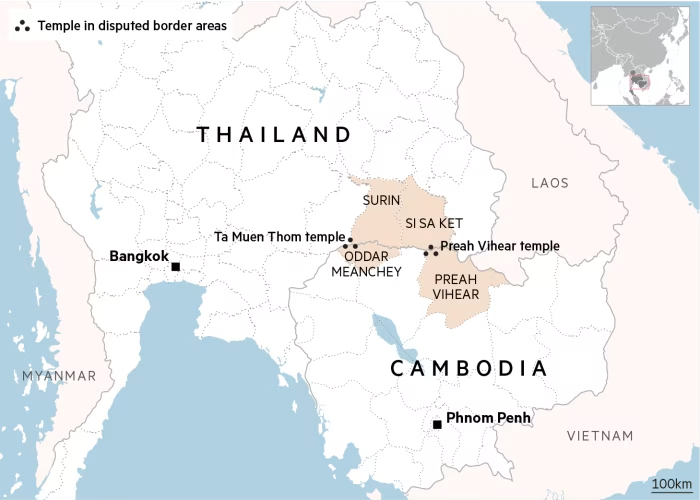 Map of Conflict Districts and Contested Temple Zones (Source: Financial Times)
For OSINT practitioners, this is a live case study: fragmented reports, competing official narratives, and fleeting digital traces are becoming the primary sources of situational awareness.
The conflict’s epicenter is the Prasat Ta Muen Thom / Prasat Ta Moan Thom temple zone, straddling Thailand’s Kap Choeng District (Surin) and Cambodia’s Oddar Meanchey Province. On 24 July, Cambodian forces launched BM‑21 Grad rocket salvos, striking Thai civilian sites, including a petrol station in Ban Phue and Phanom Dong Rak Hospital, killing civilians. In response, the Royal Thai Air Force scrambled six F‑16 fighter jets, with at least one verified precision strike targeting Cambodian positions near Chong An Ma, aimed at disabling launch sites.
Within days, 32 deaths were confirmed and 130,000+ civilians displaced, as martial law was declared across Thai border districts. The UN Security Council, ASEAN leadership, and governments including the US, China, Japan and France urged restraint, while Thailand insists on bilateral negotiation and Cambodia pushes for international mediation.
History of the conflict
The longstanding dispute between Thailand and Cambodia centers on sovereignty over the area surrounding the 11th-century Preah Vihear Temple, a UNESCO World Heritage site perched atop a cliff in the Dangrek Mountains along their shared border. Although the International Court of Justice (ICJ) ruled in 1962 that the temple itself belonged to Cambodia, the surrounding 4.6 square kilometers remained contested. Thailand maintained control over key access routes and adjacent territory, fueling intermittent tensions.
The conflict reignited in 2008, when Cambodia successfully registered Preah Vihear as a World Heritage site. Thailand viewed this move as a challenge to its territorial claims, sparking nationalist protests in Bangkok and political upheaval. Military mobilization followed, and border clashes between 2008 and 2011 resulted in dozens of deaths and the displacement of thousands.
In February 2011, fighting intensified dramatically, with artillery exchanges near civilian areas and damage to cultural landmarks. The clashes unfolded amid political instability in Thailand, where nationalist factions used the dispute to galvanize domestic support. Cambodia, meanwhile, appealed to international bodies including the UN Security Council and the ICJ.
In July 2011, the ICJ issued a provisional order establishing a demilitarized zone around the temple and called for both countries to withdraw their troops. However, implementation was uneven, and the border remains heavily militarized. Nationalist rhetoric continues to flare periodically, underscoring deeper historical grievances rooted in colonial-era boundary demarcations and competing interpretations of early 20th-century treaties.
Timeline: May-July 2025
28 May – Cambodian soldier killed near Chong Bok. First reports appeared in Khmer Facebook livestreams, cross-verified with Asia News Network reporting.
June – Cambodia halts imports of Thai fuel, gas, and internet, verified via Khmer Times government notices. Thai troop build-ups documented in TikTok videos, matched to Google Street View of Highway 24.
1–16 July – A leaked call between Thai PM Paetongtarn Shinawatra and Hun Sen surfaces in Cambodian Telegram channels before Thai outlets confirm the PM’s suspension. Metadata analysis of the audio confirms its authenticity.
16–23 July – Cambodian UAV footage showing Thai positions circulates on TikTok. Analysts matched ridgeline and tree line features to Planet Labs imagery near the temple area. Landmine blast reports validated through Thai MoD briefings.
24 July – BM‑21 Grad attacks hit Ban Phue and Phanom Dong Rak Hospital. Geolocation confirmed by:
Metadata from local livestreams (10:45–11:30 ICT).
Sentinel‑1 radar showing heat signatures near Kantharalak.
Reuters/AlJazeera imagery matched to Mapillary street views.
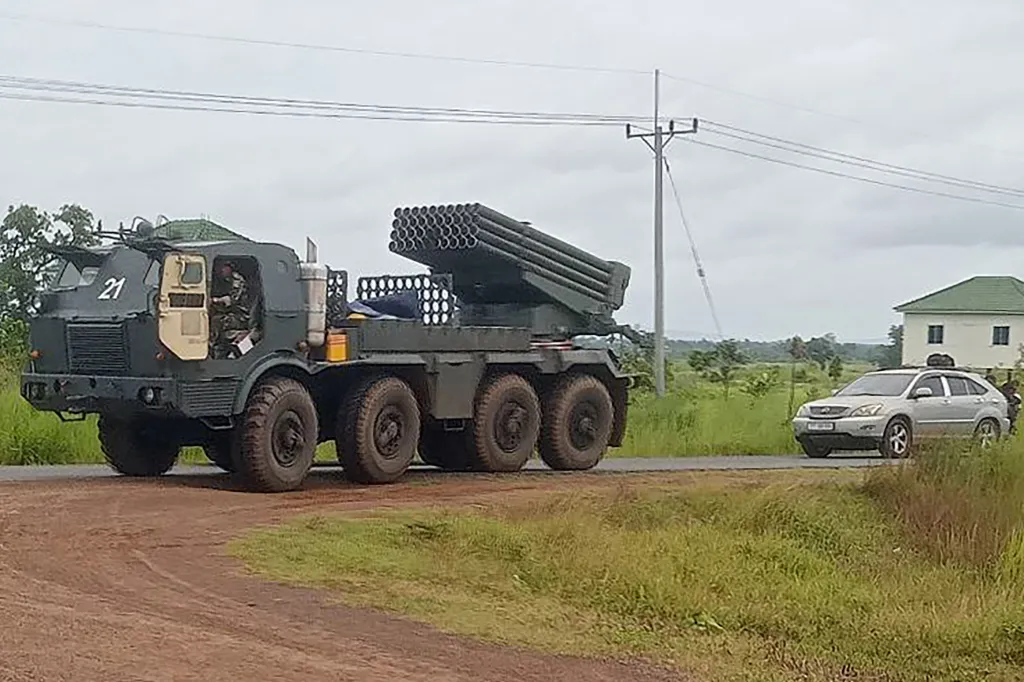 Cambodia’s BM21 moving near the border (Source: OSINTDefender/X)
24 July (OPSEC breach) – Hun Sen, Cambodia’s Senate President (and de facto power broker), posts photos of operational maps on Facebook, then quickly deletes them. Screenshots archived by LinkedIn users under #OPSEC (see archived post).
24 July – Thai Army used domestic Bombing Drones carrying M261 and M472 mortar bombs along with Improvised Air-Dropped Bombs, targeting Cambodia’s Military installations. WarNoir’s X Feed
24–25 July – Thailand launches F‑16 sorties against Cambodian positions near Chong An Ma. Aircraft sightings cross-checked with Instagram uploads from Surin and ACARS logs.
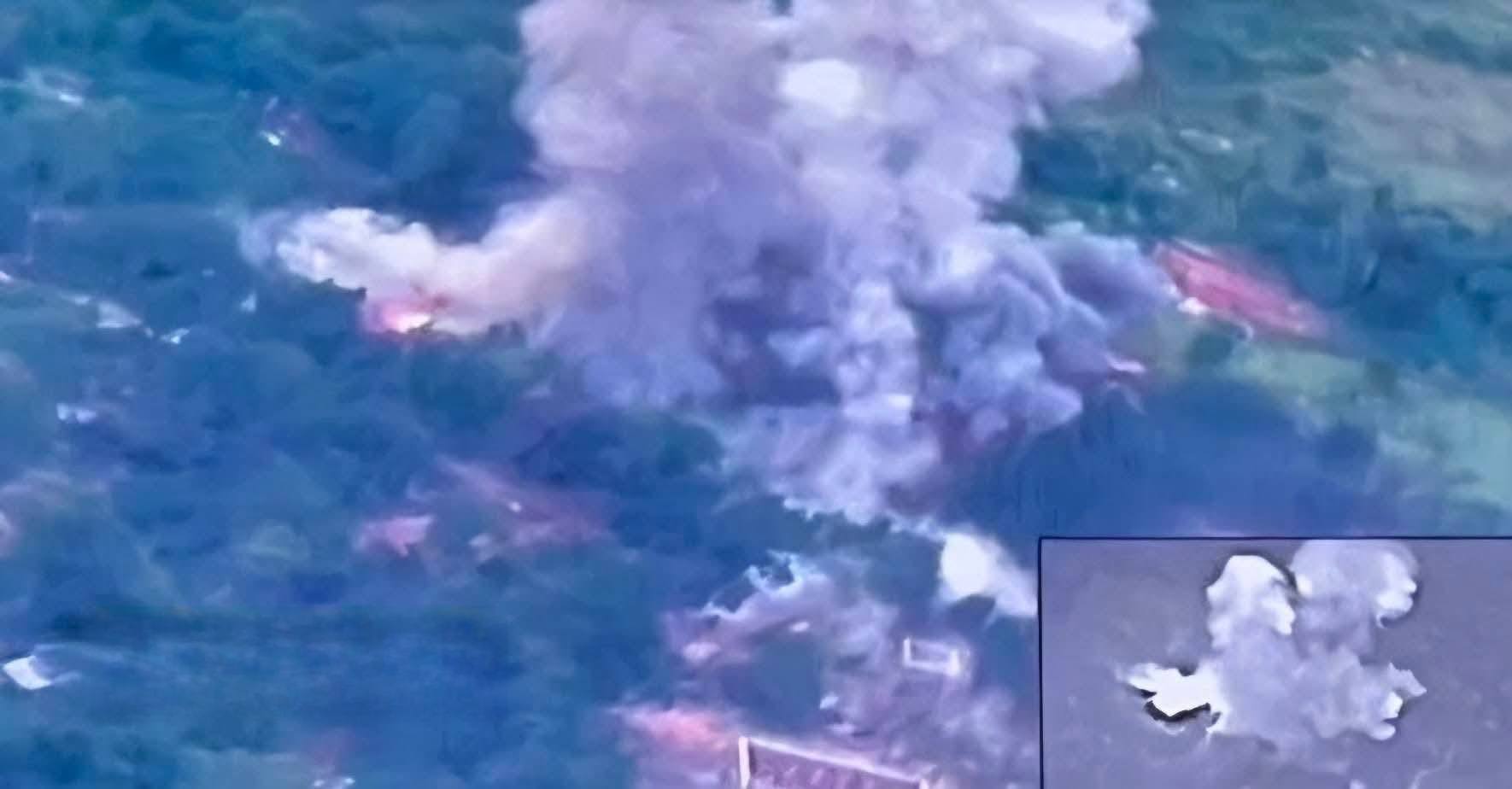 Image Slices from a recording of F21 sortie (Source: WarNoir/X)
- 25–26 July – Skirmishes spread to 12 border zones, including Ta Khwai. Martial law declared in 8 Thai districts. Refugee movements mapped using Thai DPMO press releases and Cambodian Red Cross updates.
Geolocated Conflict Points
Interactive Map of the Skirmish
Conflict Points
Ban Phue Petrol Station (Sisaket): BM‑21 impact crater confirmed via crowdsourced drone footage; terrain matched to Google Earth (2023 imagery).
Phanom Dong Rak Hospital: Structural damage verified using before/after Sentinel‑2 imagery (25 vs. 26 July).
Cambodian Launch Sites: Thai strikes targeted grid near Preah Vihear, blast patterns detected in PlanetScope imagery.
Prasat Ta Muen Thom Zone: Artillery engagements confirmed by thermal anomalies on Sentinel‑1 passes.
Displacement
Thailand: ~130,000 civilians relocated to Surin, Sisaket, Buriram, Ubon Ratchathani (Thai DPMO).
Cambodia: ~20,000 families (approx. 35,000 individuals) displaced in Oddar Meanchey & Preah Vihear (Cambodian Red Cross).
Casualties
Thailand: 15–16 deaths (14 civilians and 1 soldier), and 46 injuries.
Cambodia: 13 deaths (8 civilians and 5 soldiers), and 71 injuries. (Cambodian Red Cross)
Infrastructure Damage
Petrol Station: Struck in Sisaket’s Kantharalak District, causing fatalities and fire damage.
Hospital: Phanom Dong Rak Hospital in Surin hit by artillery, prompting evacuation.
Schools: Over 260 closures in Oddar Meanchey due to shelling.
Temples: Preah Vihear and Ta Muen Thom reportedly affected. Cambodian sources claim airstrike damage; Thailand denies involvement. Independent verification pending.
OPSEC Failure: The Hun Sen Map Incident
On 24 July, Cambodian Senate President Hun Sen posted images of operational military maps to his official Facebook page, apparently taken during a strategy briefing.
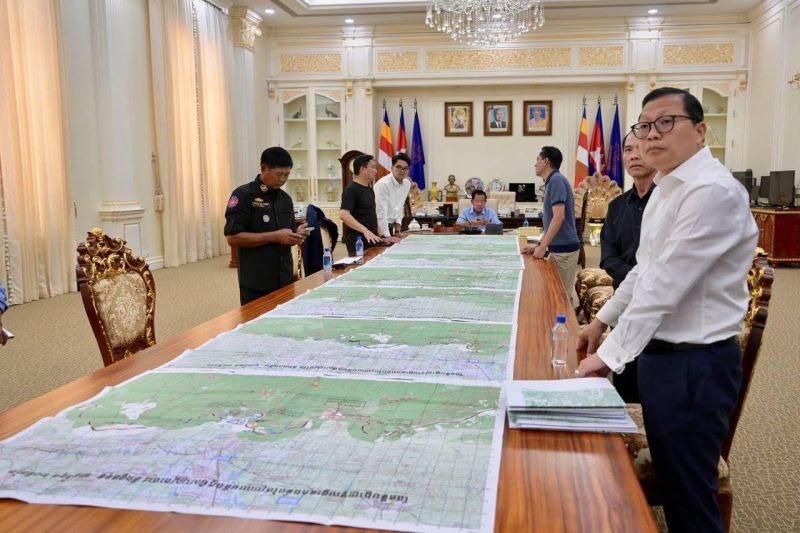 The deleted Facebook post (Source: LinkedIn #OPSEC)
The images were deleted within hours, but screenshots circulated on LinkedIn under the #OPSEC hashtag, highlighting yet another example of leaders inadvertently leaking operational data.
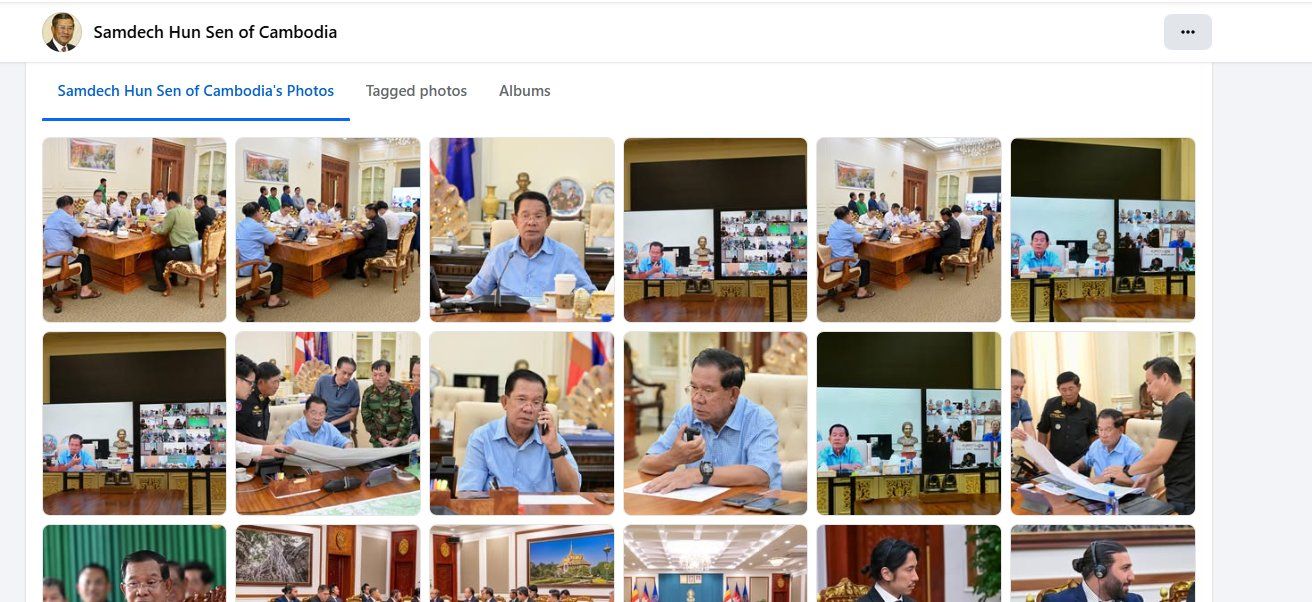 The Hun Sen Facebook post history (Source: LinkedIn #OPSEC)
Analysing this post gives insight into possible troop movements and further plans, such as:
- Order of battle insights (unit placements, objectives).
- Temporal clues (briefing date/time).
- Narrative framing (Cambodia portraying defensive intent).
Going deeper and doing location matching with the image and maps, we can also relatively say with good confidence that the first map is for Preah Vihear temple, especially around Si Sa Ket District.
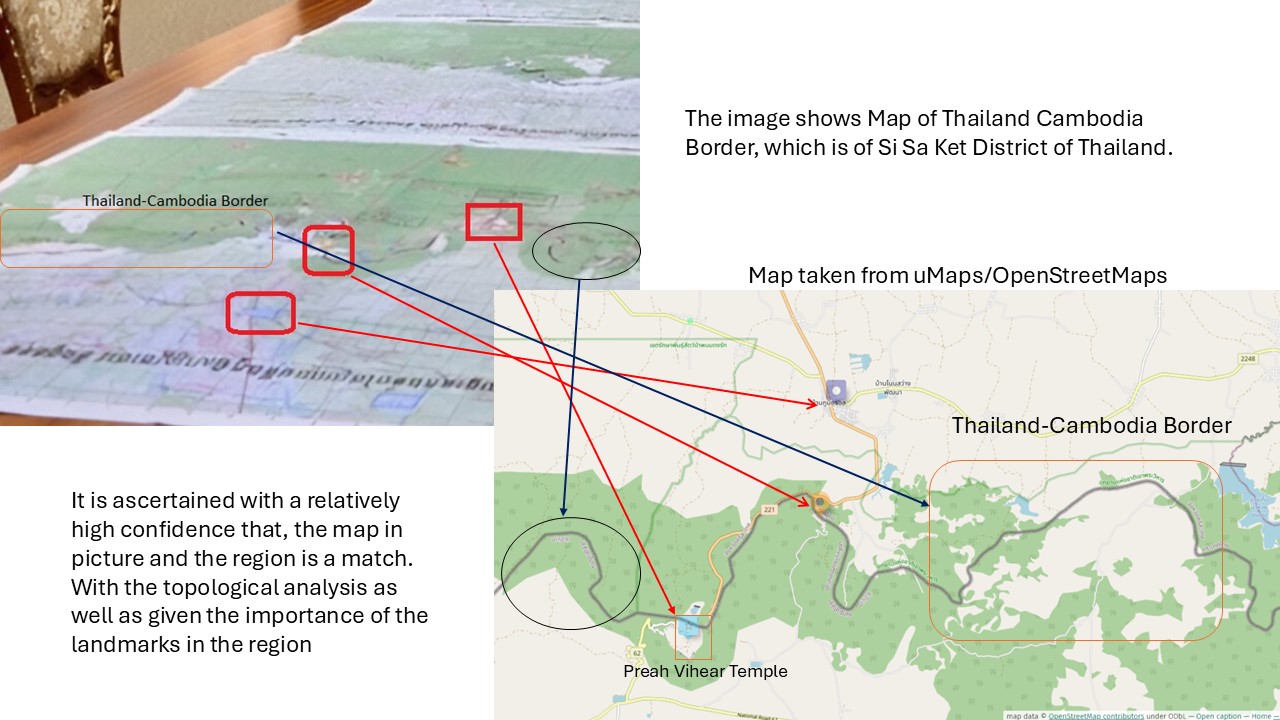 Image Analysis with OpenStreetMaps
For analysts like me, these “ghost posts” are invaluable for pre-deletion capture and cross-referencing with troop movements.
Diplomatic Fallout & Economic Tensions
Diplomatic Rupture
- Thailand recalled its ambassador from Phnom Penh and expelled Cambodia’s envoy following landmine incidents and artillery strikes.
- Cambodia reciprocated, withdrawing its diplomatic corps from Bangkok and downgrading relations to second secretary level.
- All border checkpoints, including Chong Bok, Chong Chom, and Chong Sa-ngam, were closed under martial law declarations in eight Thai provinces.
Travel Advisories
- The United States, United Kingdom, Canada, Australia, India, France, and Hong Kong issued travel warnings advising citizens to avoid Thai-Cambodian border provinces such as Surin, Sisaket, Ubon Ratchathani, and Oddar Meanchey.
- The US State Department raised its advisory to Level 2: Exercise Increased Caution.
- Thai and Cambodian embassies issued emergency contact protocols and evacuation guidance for foreign nationals.
ASEAN and UN Involvement
- Malaysian PM Anwar Ibrahim, as ASEAN chair, offered to mediate a ceasefire. Thailand expressed preference for bilateral talks, rejecting third-party involvement.
- The UN Security Council held a closed-door emergency session on July 25, urging restraint and offering humanitarian support.
- UNICEF and humanitarian agencies raised concerns over displaced civilians and damage to schools and hospitals.
Conclusion
Until credible mediators emerge, tensions between Thailand and Cambodia are likely to remain unresolved. This is not just a military standoff but a complex dispute shaped by historical memory, national identity, and geopolitical sensitivities. The temple at the center of the conflict has become more than ancient stone — it now stands as a symbol of sovereignty and regional fragility. For ASEAN, the challenge is to maintain unity while preserving relevance. For outside observers, this is open-source intelligence in motion where controlling the narrative, verifying facts, and tracking digital signals have become key instruments of modern diplomacy.
Sources:
- Al Jazeera: Thai–Cambodian border clashes
- TIME: Political dynamics behind the conflict
- The Straits Times: What we know so far
- Sky News: Casualties and displacement
- Indian Express: Live updates and advisories
- The Hill / AP: Background and escalation
- France 24: Nationalism and diplomacy
- US News / AP: Historical context
- TWZ Newsletter
- OSINTDefender
- WarNoir
- Human Rights Watch: Civilian protection concerns
- LinkedIn #OPSEC
- The Art of Finding Ghosts: How Deleted Data Lives On